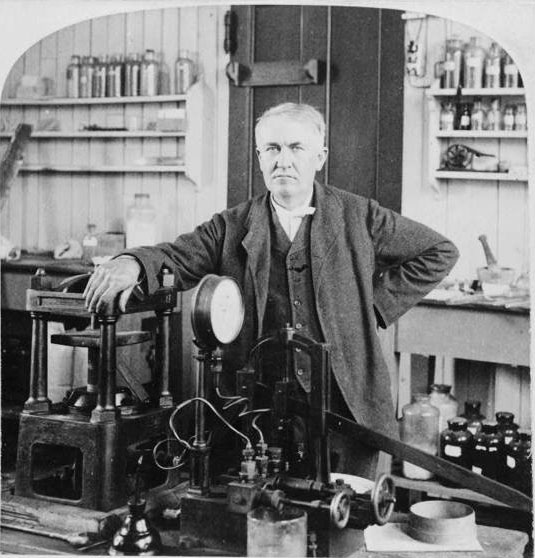
Who invented the first sound recording device? It’s not who you think it is. Click here to learn more about this overlooked French inventor.
Article Category:
Topic
Article Categories
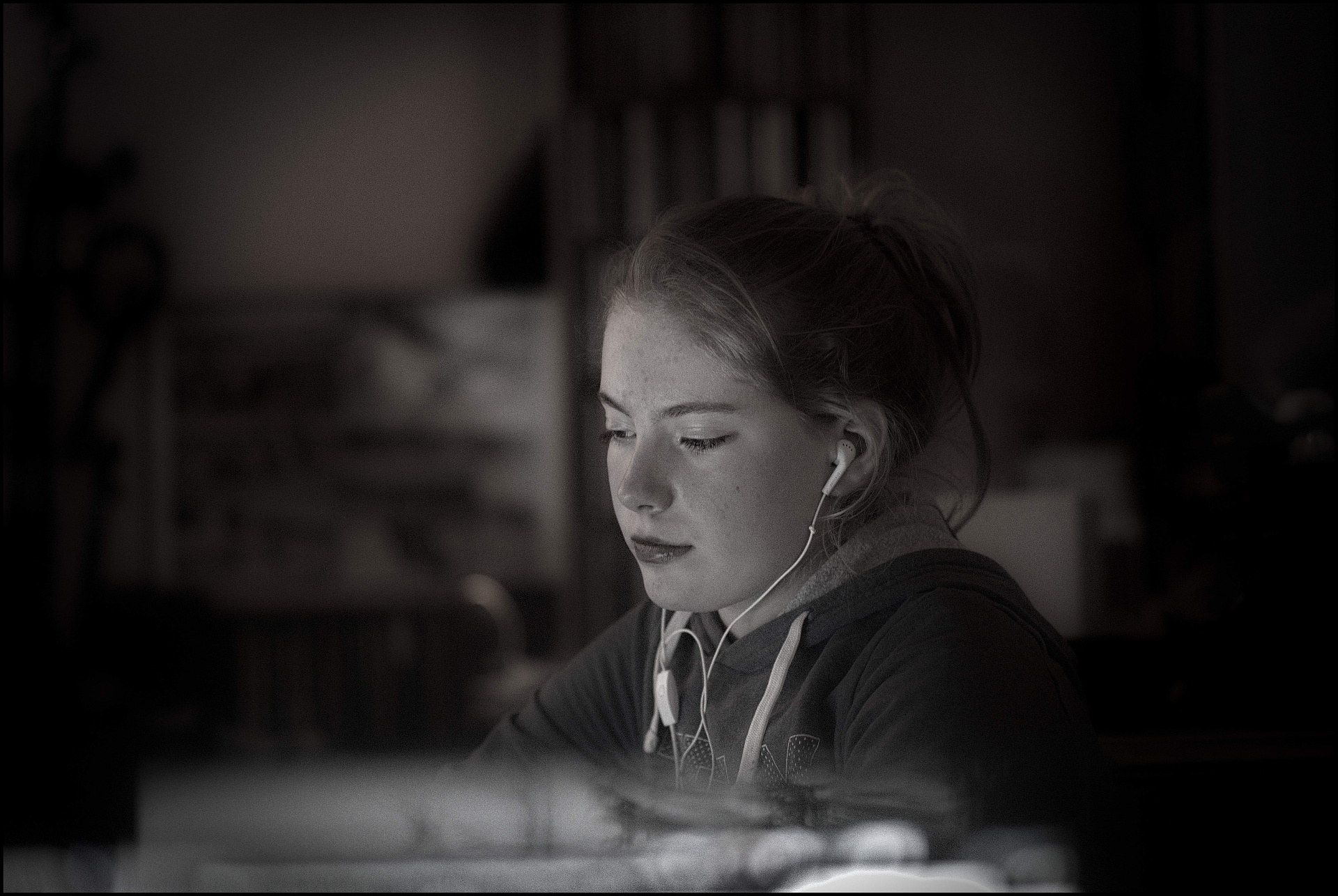
Experts: Hearing loss is on the rise among young adults
Hearing loss is on the rise in young adults. Unless they are warned about the dangers of loud sound, young adults “may be destined to swap out their headphones for hearing aids.”
Deja Vu: American Classrooms Are Still Too Noisy

The impact of environmental noise on kids’ performance in public schools is established, and TQC founding member Dr. Arline Bronzaft has been fighting for children’s right to an uninterrupted education for decades. She reflects on the beginning of her fight and advises parents to continue it by demanding noise-free classrooms for their children.
The perils of fame?
The perils of fame? For pop stars one peril is hearing damage–either hearing loss or tinnitus–a common injury among professional musicians.
The problems with hearing aids
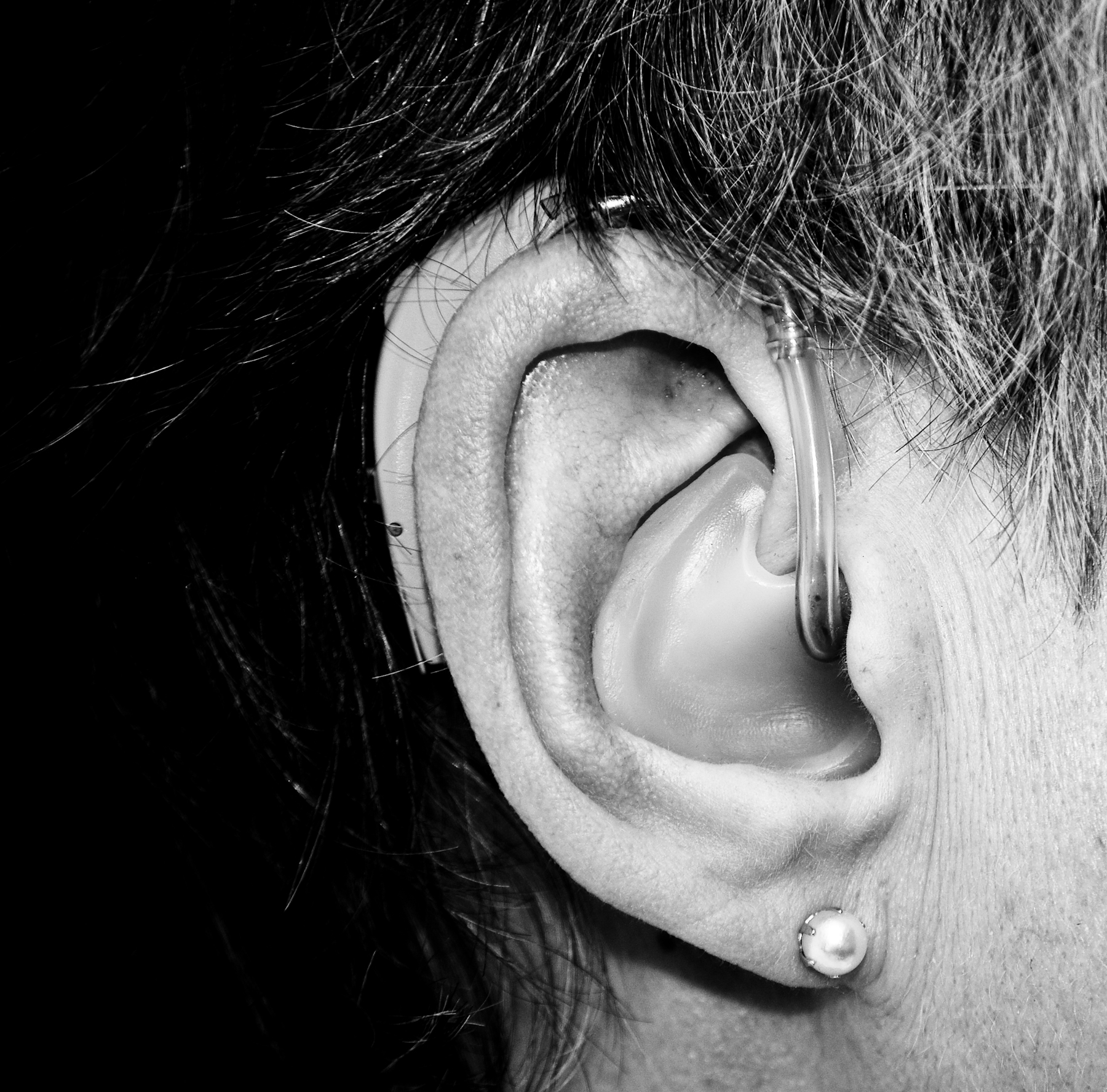
Erica Manfred writes about the problems with hearing aids–and the solutions. They aren’t perfect, but the consequences of not wearing them are profound.
Can teens get tinnitus?
Can teens get tinnitus? Sadly, yes. Emily Barker writes about how she developed tinnitus and hyperacusis at age 19 after a one-time exposure to loud sound at a night club.
Is this the most thoughtful birthday present ever?
Is this the most thoughtful birthday present ever? Dutch town considers giving birthday earplugs to all 16-year olds.
Bronzaft caps “Better Hearing Month” with new journal article
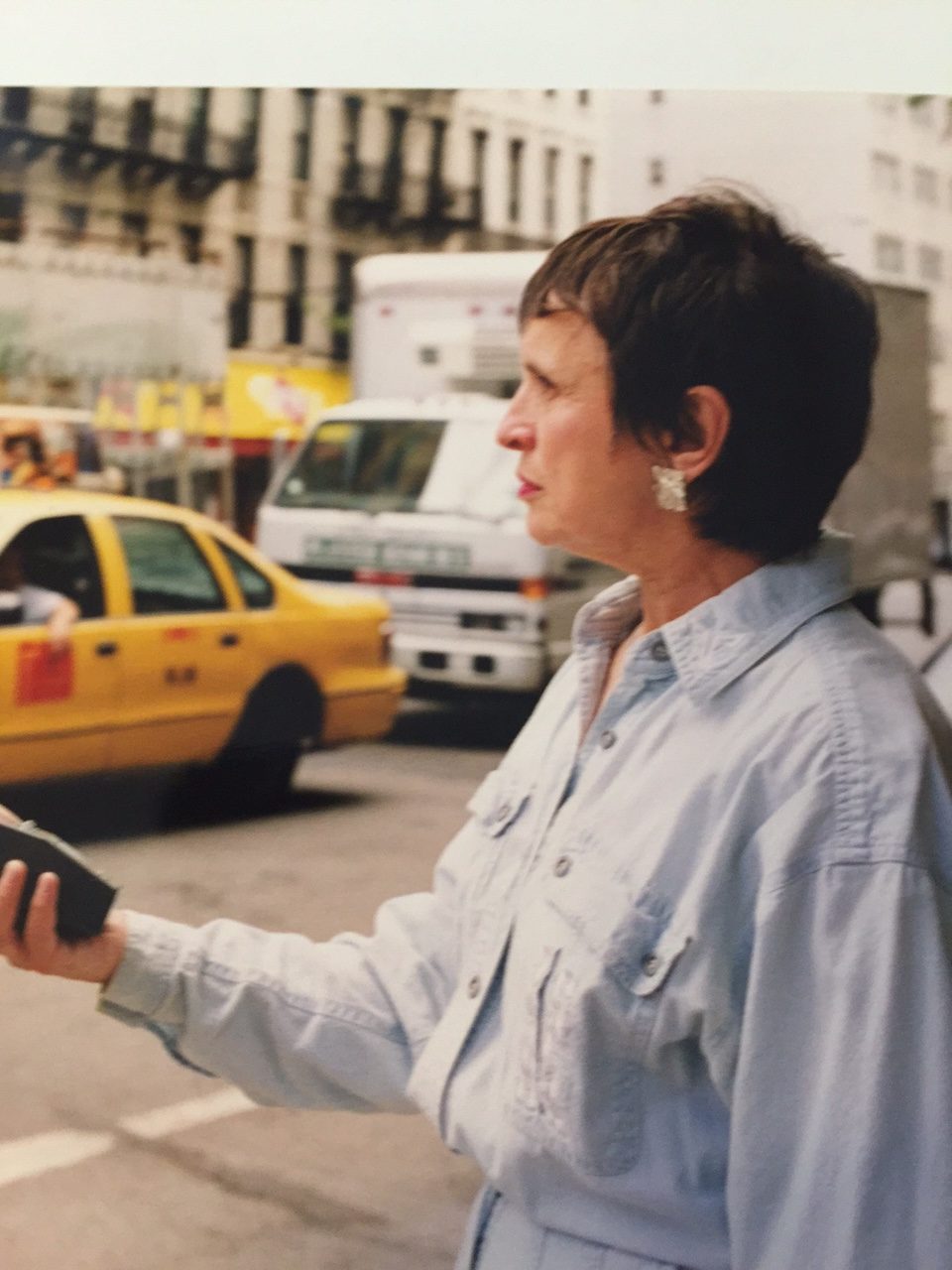
Pioneer researcher, Dr. Arline Bronzaft, who directed the landmark study on the effects of noise on children and their ability to learn, is back with an article that summarizes the troubled history of noise regulation in the United States and points a way forward for researchers and policy makers.
Who should get their hearing checked? Everyone!
The U.S. Preventive Services Task Force finds that there is no proven benefit in screening adults for hearing loss. Dr. Daniel Fink disagrees, arguing that if patients knew their hearing was compromised, they might do more to protect it.