
Quiet Coalition Articles
Article Categories
Search Articles
Recent Articles

Is the modern soundscape damaging our health?
99% Invisible looks at city noise and its impact on our health via interviews with a design critic, academics, and a sound designer who wants a more thoughtful approach to sound.

The best headphones for children? None!
The best headphones for children? None, says Dr. Daniel Fink. Why? Headphones marketed for kids claim that 85 dB is safe, but it’s not. Protect your kids’ hearing and just say no to headphones!

Acoustic vehicle alerts are a problem
The Quiet Coalition’s Jeanine Botta presented a paper on horn-based alerts and their impact on sleep at the ASA’s 177th meeting in May. Click to learn more about how these alerts disrupt sleep and concentration.

Summer break
Taking a short break. Posting will begin again on July 21st. Enjoy the summer!

The design of sound notifications
Sound notifications for mobile tech are seen as an opportunity for apps to brand themselves. A horrifying prospect for those of us who wouldn’t mind a little peace and quiet.

Why noise pollution is more dangerous than we think
Complementing David Owen’s article in The New Yorker on noise pollution is this video that discusses why noise pollution is more dangerous than we realize.
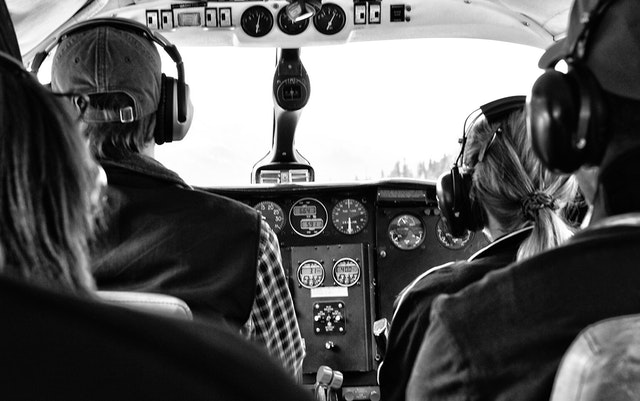
Two thumbs up for noise-canceling headphones
Two thumbs up for noise-canceling headphones. Dr. Daniel Fink says they’re bulky, another thing to pack, and less than comfortable, but he won’t travel without them.
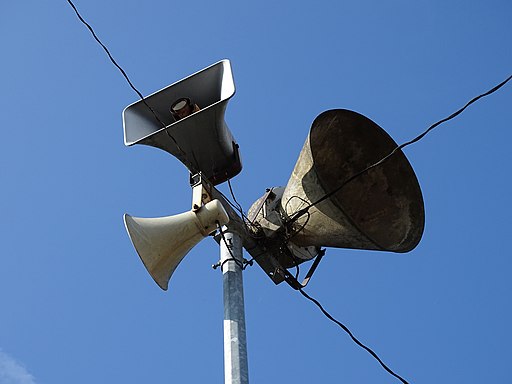
The New Yorker asks: Is Noise The Next Big Public Health Crisis?
The New Yorker asks: Is noise the next big public health crisis? Writer David Owen addresses the question with the help of several Quiet Coalition founders.

Restaurant noise in the news once again
Restaurant noise is in the news again, and the verdict is that it makes the experience of eating out less pleasant for everyone, not just the hearing impaired.

Consumer Reports continues to focus on noise and health
Dr. Fink is glad Consumer Reports focuses on noise and health, but asks why they cite an occupational exposure level as appropriate for the general public.
Why you temporarily hear muffled sound after a loud noise
Researchers have discovered why we temporarily hear muffled sound after a loud noise. While the muffled hearing will usually go away, the damage caused to hearing is permanent.

Lawyer writes about leaf blower hazards
Leaf blower hazards include deafening noise levels of 100 dB or more and may include carcinogenic exhaust. If the government won’t act, maybe litigation will compel change.